Residential Fence Installation Services: A Complete Guide

Table of Contents
What Residential Fence Installation Services Include
Fence Material Options for Your Property
Wood Privacy Fence Installation
Vinyl and Metal Fencing
Chain-Link and Steel Options
Understanding Residential Fence Installation Cost
Getting a Fence Installation Estimate
Fence Installation Timeline and Process
Permits, Property Lines, and Utility Locating
Choosing a Licensed and Bonded Contractor
Warranty and Workmanship Guarantees
Frequently Asked Questions
Last Updated: October 14, 2026
What Residential Fence Installation Services Include
Residential fence installation services encompass far more than just driving posts into the ground. At ETX Fencing, we handle the complete lifecycle of your fence project, from initial consultation and material selection through final installation and long-term maintenance.
A comprehensive residential fence installation includes site assessment, property line verification, material procurement, professional installation with proper post setting and alignment, and finishing touches like staining or sealing. Many homeowners underestimate how much planning goes into the process before a single board gets cut.
The scope typically covers:
Site evaluation and property layout assessment
Material recommendations based on your climate and use case
Accurate project estimates with transparent pricing
Professional installation with industry-standard techniques
Cleanup and site restoration after completion
Optional staining, sealing, or maintenance services
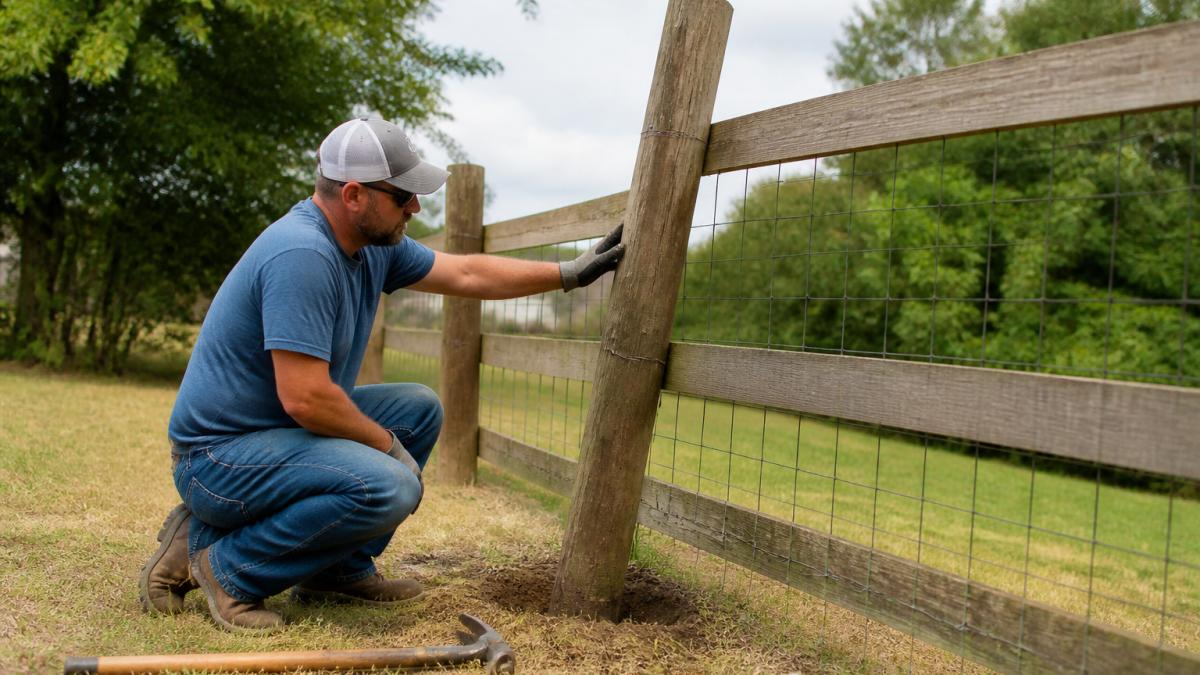
What separates professional residential fence installation from DIY attempts is the attention to foundational details. Posts must be set at the correct depth, usually 2-3 feet depending on fence height and soil conditions. Improper post installation is the leading cause of fence failure within the first few years. Our team ensures every post is plumb, level, and secured properly so your fence stands straight for decades.
Pro Tip Request a free estimate before committing to any fence project. This lets you compare approaches, materials, and timelines without obligation. A quality contractor will provide detailed assessments that help you understand exactly what you're paying for.
Fence Material Options for Your Property
Choosing the right fence material shapes both the appearance and longevity of your residential property. Each material has distinct advantages depending on your climate, maintenance tolerance, and aesthetic preferences.

Wood Privacy Fence Installation
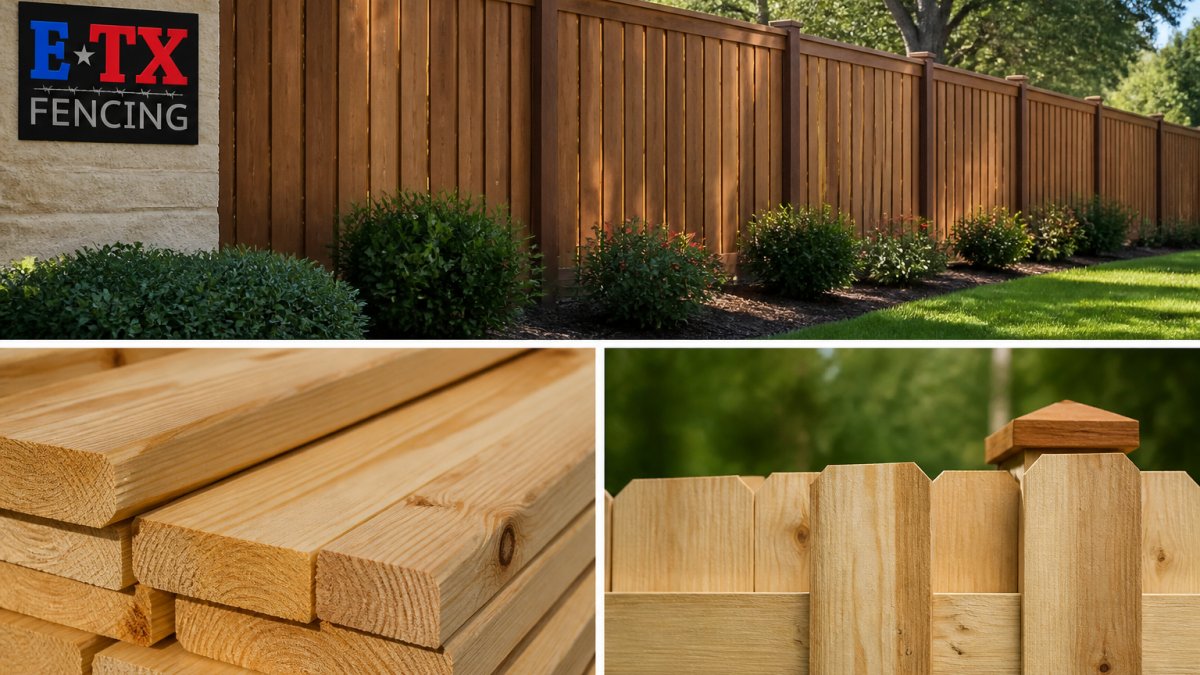
Wood privacy fences remain the most popular choice for residential properties seeking both security and aesthetics. A wood privacy fence installation creates an attractive barrier that enhances curb appeal while providing complete seclusion from neighbors and street traffic.
Wood fencing offers warmth and natural beauty that synthetic materials struggle to replicate. The material works well in most climates, though East Texas humidity and heat do require proper maintenance. Staining and sealing every 2-3 years protects the wood from warping, rot, and UV damage, something we handle as part of our ongoing maintenance services.
Wood fence materials vary in quality and price. Pressure-treated lumber offers affordability and decent durability. Cedar and redwood provide superior appearance and natural rot resistance but cost more upfront. The choice depends on your budget and how long you want the fence to last without major repairs.
Vinyl and Metal Fencing
Vinyl fencing has gained popularity because it requires minimal maintenance compared to wood. Vinyl doesn't rot, warp, or require staining. A simple wash with a garden hose keeps it looking new. For homeowners who prefer low-maintenance solutions, vinyl fencing makes sense, though the initial installation cost typically exceeds wood.
Metal fencing, primarily aluminum and steel, offers durability and a modern aesthetic. Aluminum is lightweight, rust-resistant, and suitable for decorative applications. Steel provides maximum strength for security-focused installations but requires periodic maintenance to prevent rust in humid climates like ours.
Chain-Link and Steel Options
Chain-link fencing serves practical purposes when you need affordable, durable containment without privacy concerns. It's ideal for keeping pets contained, securing commercial properties, or defining property boundaries. Chain-link requires minimal maintenance and lasts 15-20 years with occasional inspection for rust spots.
Steel fencing combines durability with security. Wrought iron and welded steel create attractive, sturdy barriers suitable for both residential and commercial applications. Steel demands regular maintenance in humid environments to prevent rust, but the investment in quality installation pays dividends in longevity and appearance.
Key Takeaway Match your material choice to your actual climate and maintenance commitment. Wood looks beautiful but needs regular staining in East Texas humidity. Vinyl requires no staining but costs more upfront. Metal offers durability but needs rust prevention. Choose based on what you'll realistically maintain.
Understanding Residential Fence Installation Cost
Fence installation costs depend on multiple variables: material choice, fence length, terrain difficulty, local labor rates, and site preparation needs. Rather than guessing at costs, professional contractors provide detailed estimates that break down material and labor separately.
Several factors significantly impact your final price. Difficult terrain, slopes, rocky soil, or existing obstacles, increases labor time. Longer fences obviously cost more than shorter ones. Premium materials like cedar or vinyl cost more than basic pressure-treated lumber. Site preparation, including utility locating and property line marking, adds to the project scope.
Many homeowners focus only on material cost and miss the labor component, which typically represents 40-60% of the total project cost. Quality installation requires skilled workers, proper equipment, and time to do the job right. The cheapest quote often reflects corners being cut, shallow post holes, misaligned sections, or inadequate material.
At ETX Fencing, we provide transparent estimates that itemize materials, labor, and any site-specific costs. This approach helps you understand exactly what you're paying for and prevents surprise charges mid-project. When comparing quotes from different contractors, ensure each one covers the same scope of work.
Watch Out Avoid contractors who provide estimates without visiting your property. They cannot account for soil conditions, terrain challenges, or hidden obstacles. A site visit takes time but ensures accurate pricing and realistic project timelines.
Getting a Fence Installation Estimate
A fence installation estimate should be detailed, specific, and based on a thorough site assessment. The best estimates include material specifications, labor breakdown, timeline, warranty information, and any contingencies for unexpected conditions.
When requesting an estimate, provide clear information about your project:
Desired fence length and height
Material preference (or request recommendations)
Any special features like gates or decorative sections
Timeline preferences
Budget range if you have one
The contractor should visit your property, measure the perimeter, assess soil and terrain conditions, and check for utility lines. This process takes 30-45 minutes but ensures the estimate reflects your actual situation rather than assumptions.
Quality contractors include contingency plans in their estimates. Soil conditions might require deeper post holes. Rock or hardpan soil might necessitate different installation techniques. A professional estimate acknowledges these possibilities rather than pretending they won't occur.
Fence Installation Timeline and Process
Most residential fence installation projects take 2-5 days depending on fence length, material complexity, and site conditions. A 100-foot privacy fence typically requires 3-4 days for a professional crew. Longer projects or complex designs may extend the timeline.
The installation process follows a logical sequence:
Site preparation, Mark property lines, locate utilities, clear obstacles (1 day)
Post installation, Dig holes, set posts in concrete, allow concrete to cure (1-2 days)
Rail and panel installation, Attach horizontal supports and vertical boards or panels (1-2 days)
Gate installation, Hang gates and hardware if included (partial day)
Finishing, Staining, sealing, or cleanup as needed (1 day or ongoing)
Concrete curing time is the biggest timeline factor. Posts must be set in concrete and allowed to cure for 24-48 hours before applying stress. This cannot be rushed without compromising structural integrity. Professional contractors factor this into realistic timelines rather than promising faster completion.
Weather affects timelines significantly. Heavy rain delays concrete curing. Extreme heat can complicate installation. Professional contractors build weather buffers into estimates and communicate clearly when conditions might cause delays.
Permits, Property Lines, and Utility Locating
Before any fence installation begins, property lines must be verified and utilities must be located. This step prevents costly mistakes and legal disputes with neighbors.
Property line verification involves reviewing your property deed and potentially hiring a surveyor to mark exact boundaries. Fence placement must respect property lines, building on a neighbor's property creates legal liability. Many disputes arise from fences installed without proper boundary verification.
Utility locating is legally required before digging. Call your local utility locating service (typically free) to mark underground electric, gas, water, and communication lines. Hitting a buried utility line creates safety hazards, service disruptions, and expensive liability. Never skip this step.
Permit requirements vary by location. Many municipalities require fence permits, especially for commercial properties or fences exceeding certain heights. Residential fence permits are often required when fences exceed 6 feet or sit on property lines. Check with your local building department before starting your project.
Choosing a Licensed and Bonded Contractor
A licensed and bonded fence contractor provides legal protection and assurance of quality work. Licensing requirements vary by state, but a licensed contractor has demonstrated knowledge of building codes, safety standards, and proper installation techniques.
Bonding protects you financially if the contractor fails to complete work or causes property damage. A performance bond ensures the project gets completed. A payment bond protects subcontractors and suppliers. These protections matter when something goes wrong mid-project.
When evaluating contractors, verify:
Current business license and liability insurance
Bonding information and coverage amounts
References from recent residential fence installation projects
Track record with Better Business Bureau or similar rating services
Written warranty on materials and workmanship
Clear communication about timeline and costs
Customer reviews provide insight into reliability and quality. Look for patterns in feedback, consistent praise for professionalism and quality work suggests a dependable contractor. Complaints about communication delays or unfinished work are red flags.
ETX Fencing maintains proper licensing, bonding, and insurance. Our family-owned reputation in the community reflects years of completed residential fence installation projects and satisfied customers who trust our workmanship.
Best For Homeowners who want professional installation with clear communication, transparent pricing, and reliable warranty protection. Choose a licensed contractor when your fence project involves property lines, utilities, or permits.
Warranty and Workmanship Guarantees
A quality contractor stands behind their work with a written warranty covering both materials and workmanship. This guarantee protects your investment and demonstrates confidence in the installation quality.
Material warranties vary by product. Understanding what's covered, and what's not, prevents disappointment later.
Workmanship warranties protect you if the fence fails due to installation errors rather than material defects. A workmanship warranty protects you if the fence fails due to installation errors rather than material defects.
Weather damage, normal wear, and maintenance issues usually fall outside warranty coverage. A fence damaged by a fallen tree or severe storm typically isn't covered. Fences that fail because you never stained or sealed them aren't covered by workmanship warranties. Understanding these boundaries prevents disputes.
At ETX Fencing, we provide detailed warranty information with every project. Our commitment to quality installation means we stand behind our work and address any legitimate issues promptly.
A successful residential fence installation project starts with understanding what you need, choosing the right material and contractor, and setting clear expectations about timeline, cost, and warranty coverage.
When you're ready to move forward with your residential fence installation, ETX Fencing is here to help. We provide transparent estimates, professional installation, and ongoing support to ensure your fence enhances your property's security and appearance for years to come. Schedule your free estimate today and discover how we can bring your vision to life.
Frequently Asked Questions
What should a fence installation estimate include?
A comprehensive fence installation estimate should detail the total linear footage of fencing, material costs broken down by type, labor charges, gate installation if applicable, and any additional services like utility locating or permits. It should also specify the project timeline, warranty coverage, and payment terms. A professional contractor will provide this in writing so you can compare quotes and understand exactly what you're paying for.
How long does residential fence installation typically take?
Residential fence installation projects vary in duration depending on the fence length, material chosen, and site conditions. Simpler projects on prepared ground may finish in days, while custom fences with gate installation can take longer. Weather and property access also affect the timeline, so discuss the estimated schedule with your contractor before work begins.
Do I need a permit to install a fence on my property?
Permit requirements vary by location and depend on fence height, setback from property lines, and local building codes. Many residential fences require permits, and some municipalities have specific rules about materials and placement. A licensed contractor familiar with local regulations can handle permit applications or advise you on requirements. Always verify with your local building department before installation begins.
What's the difference between wood, vinyl, and chain-link fencing?
Wood privacy fences offer aesthetic appeal and customization but require regular staining and maintenance to resist weathering. Vinyl fencing is low-maintenance and durable but costs more upfront. Chain-link provides security and visibility at a lower price point but offers less privacy. Your choice depends on your priorities: privacy and appearance (wood or vinyl), budget and visibility (chain-link), or durability and minimal upkeep (vinyl or metal). Climate and maintenance capacity should guide your decision.
Schedule Your Free Estimate